

70% of Under Armour’s Apparel and Accessories are Low Shed
At Under Armour, we're working to reduce our microplastic footprint by creating fabrics designed to shed fewer fibers into the environment – and we’re helping the entire apparel industry follow suit.
Starting with our own innovation labs in Baltimore, our focus on developing lower-shed materials is helping to reduce pastic waste from our gear while developing more durable, longer lasting sustainable sportswear.


The apparel industry is one of the largest contributors to microplastic pollution due to its traditional reliance on synthetic materials for sweat wicking features versus natural fabrics which absorb sweat. Synthetic fabrics such as fleece are prone to releasing heavier amounts of microplastic fibers during manufacturing, wear, and washing. Each wash cycle can send these fibers into waterways and ecosystems, contributing to environmental pollution.
By identifying high shed fabrics and developing low shed alternatives, Under Armour is reducing its contribution to microplastic pollution while advancing more sustainable, more durable and more innovative performance apparel. Our teams have already shifted 70% of our fabrics to low shed, and we’re just getting started.
Working Towards Making Fleece More Sustainable
Innovation starts at the source. By developing alternatives to high-shed fabrics, Under Armour can make the greatest impact. So our teams focused first on traditional fleece, one of the highest fiber-shedding fabrics we tested. Through this work, Icon Fleece was born.
Icon Fleece sheds significantly less than traditional fleece or other fleece alternatives, making it Under Armour’s flagship low-shed product to date. By rethinking how fabrics are engineered, our teams were able to improve fiber retention and durability without compromising comfort, warmth, or performance. We are so proud of this achievement that we patented the technology. Icon Fleece is comfy to the hand and the pinnacle of low shed fleece for the environment.

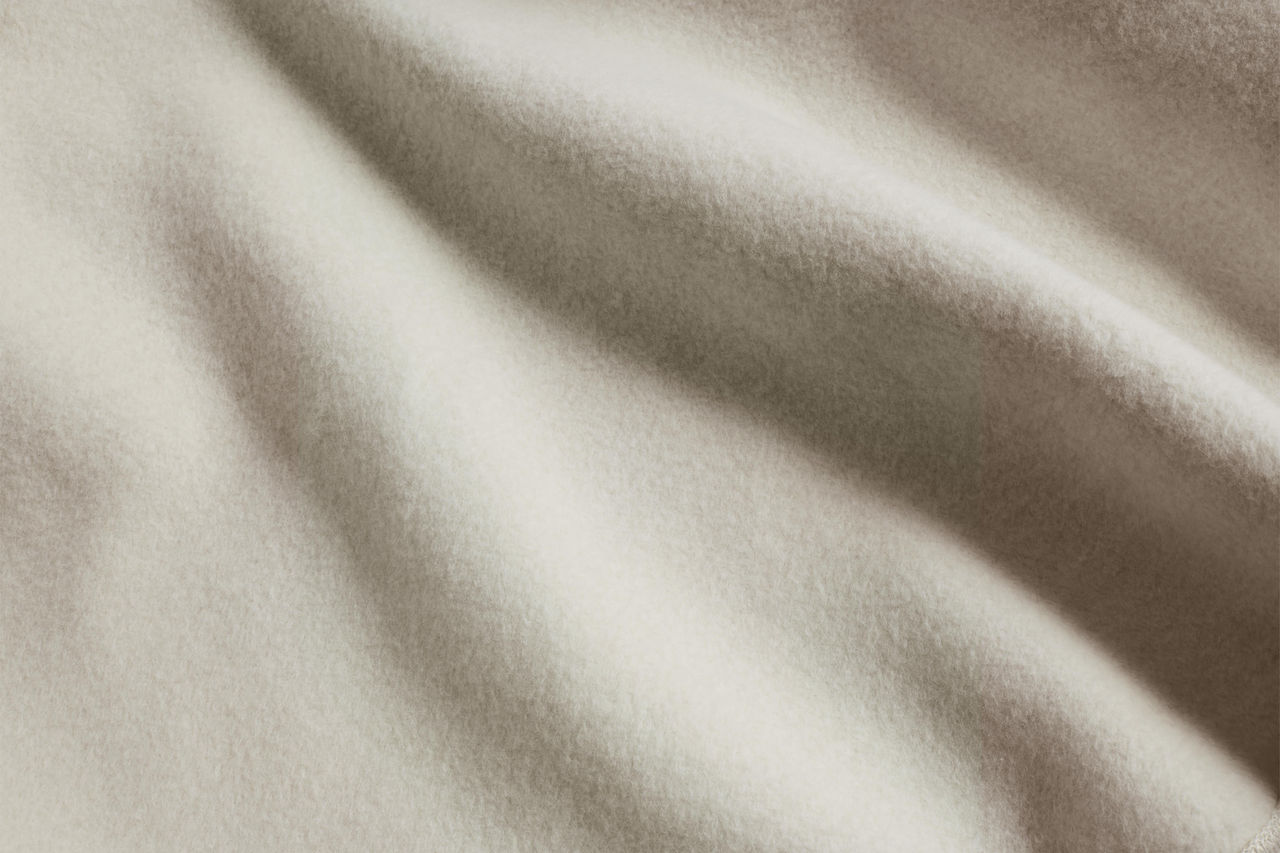

But our work didn’t stop there. True progress toward reducing fiber shedding isn't possible without a standard set of baselines to measure against – and a universal and reliable testing methodology. But as our work advanced, we realized that no such standards or tools existed anywhere in the apparel industry. So we created them.
Knowing that fiber shedding was an issue affecting the entire apparel industry, our teams designed a testing system to measure and define fiber shed levels in fabrics and evaluate fabric innovation progress.
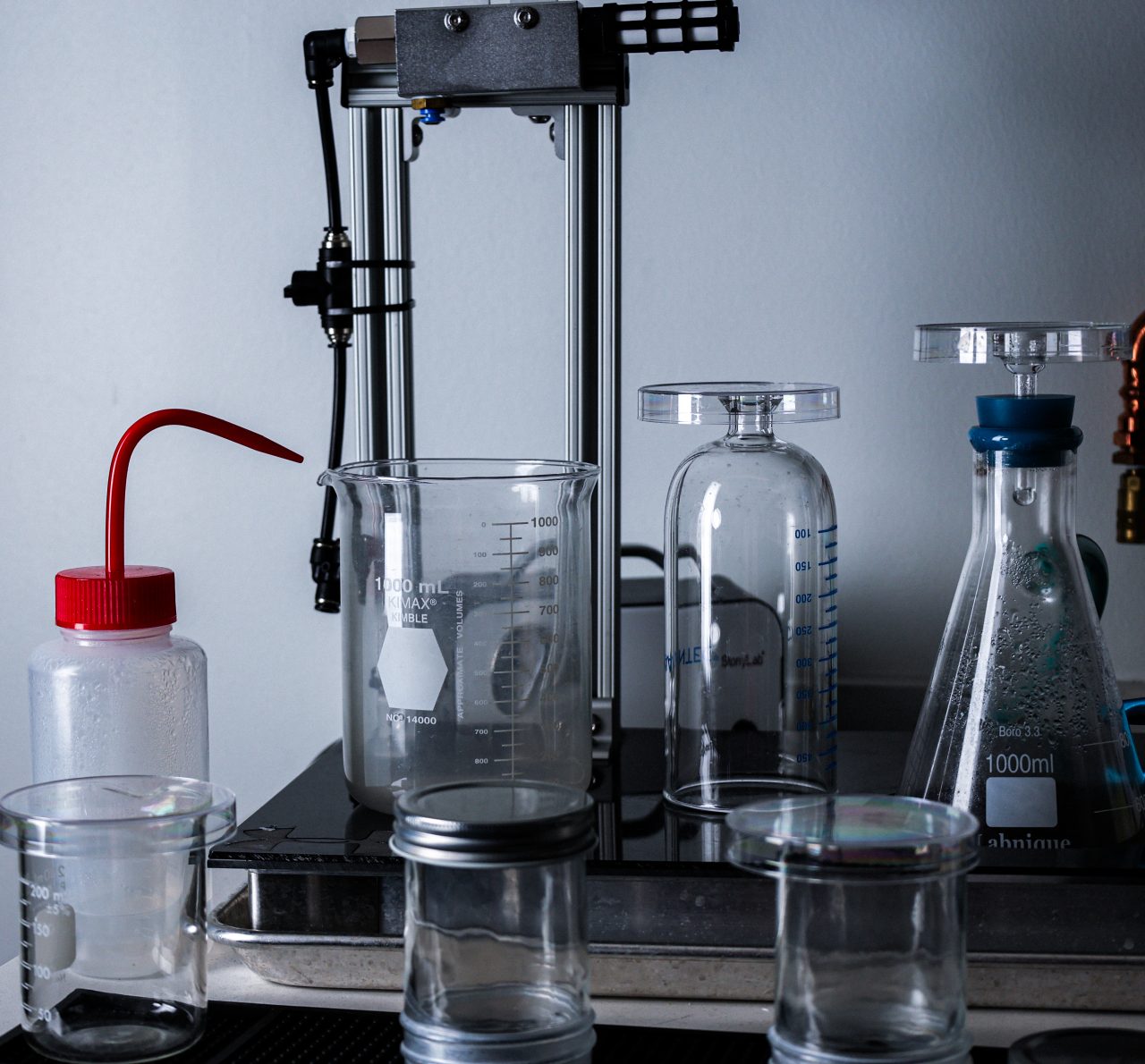
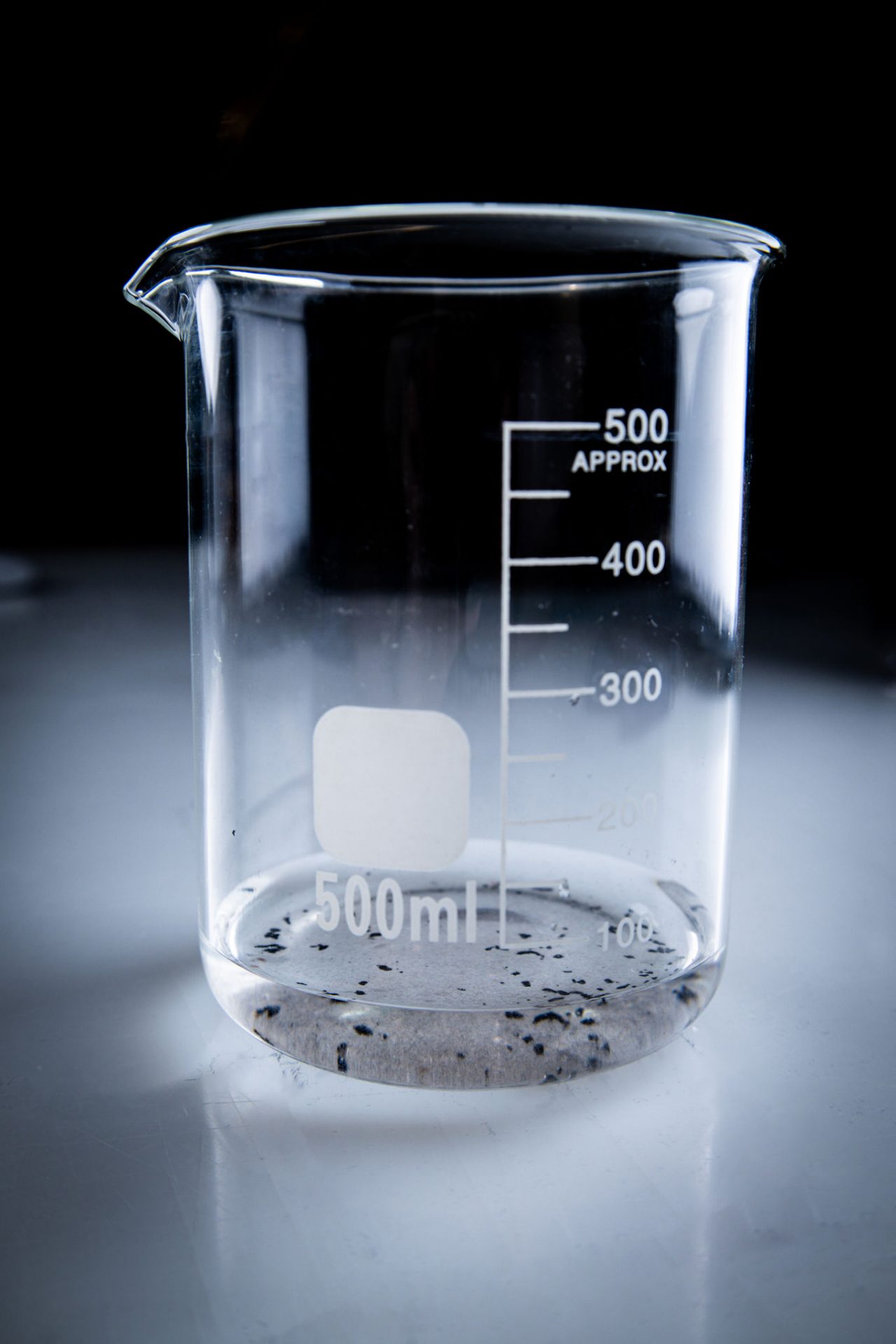
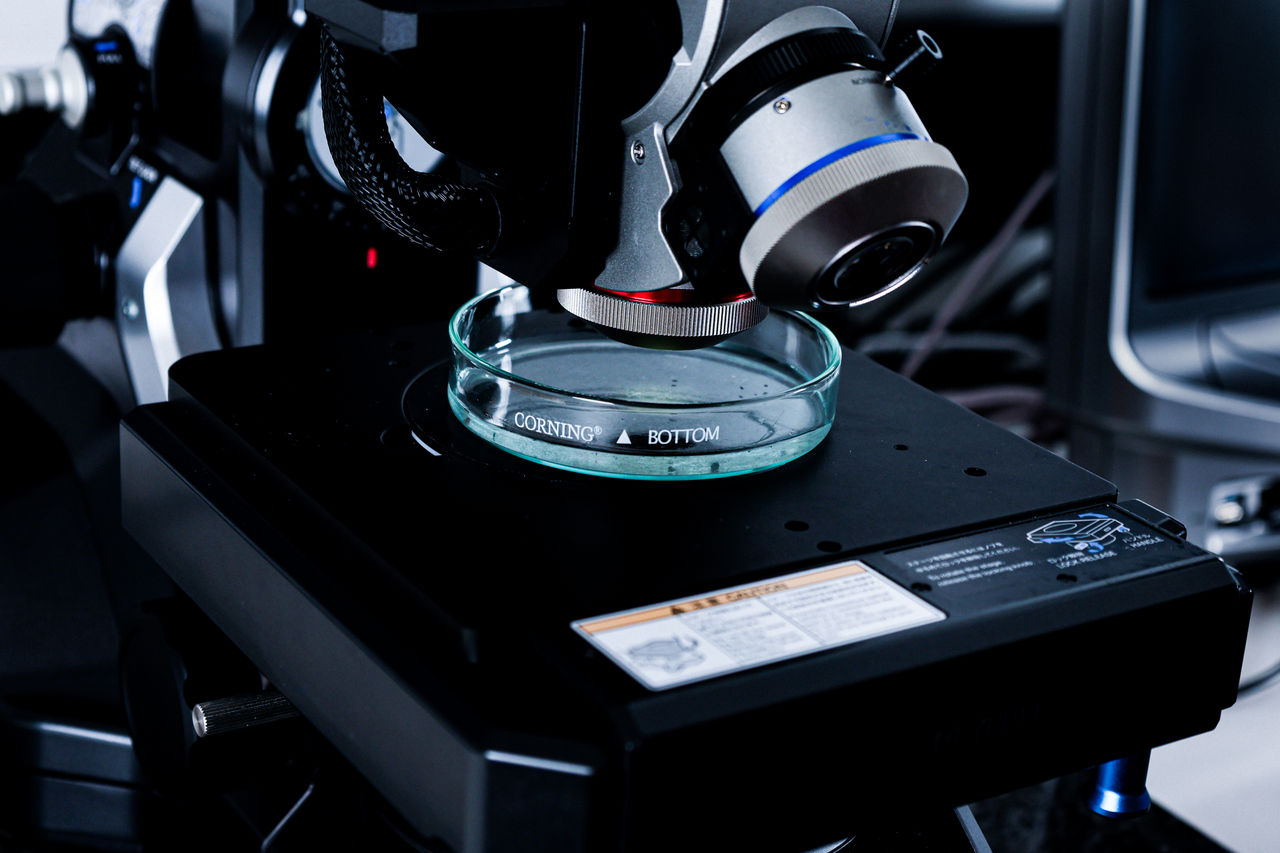
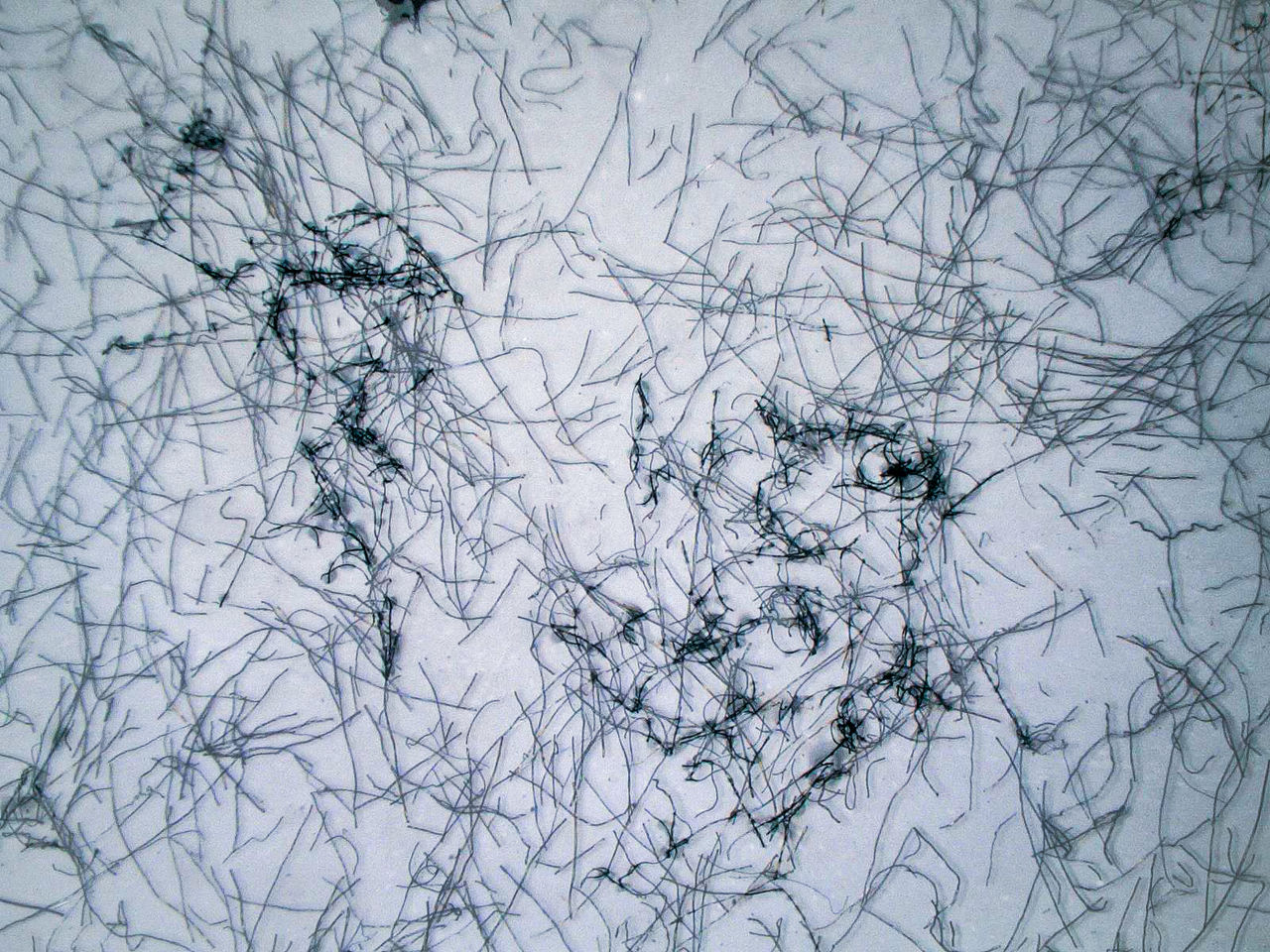
This testing process is performed by exposing fabrics to a controlled, small-scale washing simulation where released fibers are captured, imaged, and evaluated using a visual scale from 1 to 5, with 5 indicating the least shedding and 1 indicating the most. Fabrics scoring 3.5 or higher are classified as low-shed, meaning they release relatively few fibers during washing.
Fiber Shedding Testing Scale
(1-5)
- 1 -2. Extreme Shed
- 3. Moderate Shed
- 3.5-5. Low Shed
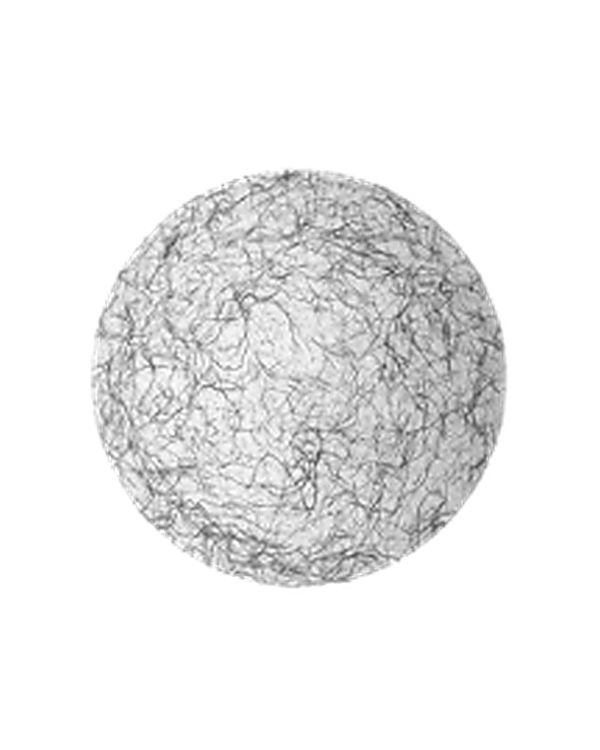
Fig. 1
Extreme Shed
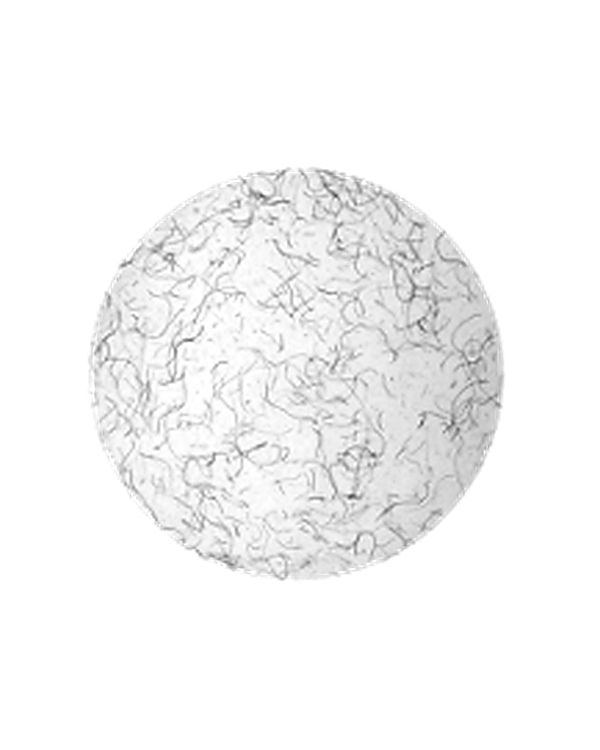
Fig. 2
High Shed
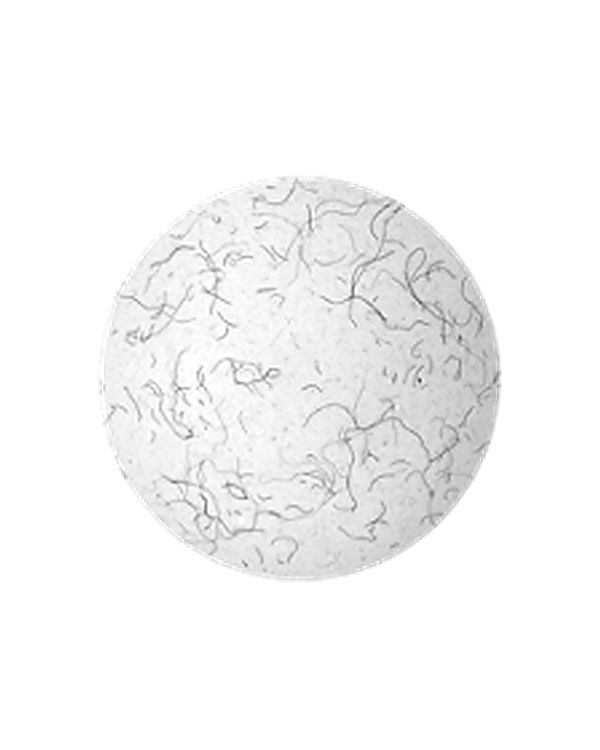
Fig. 3
Low Shed
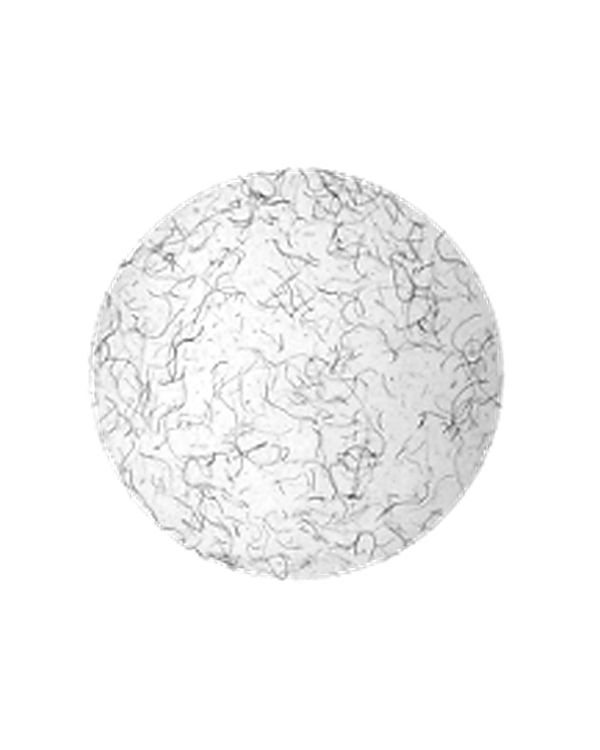
Fig. 4
Low Shed
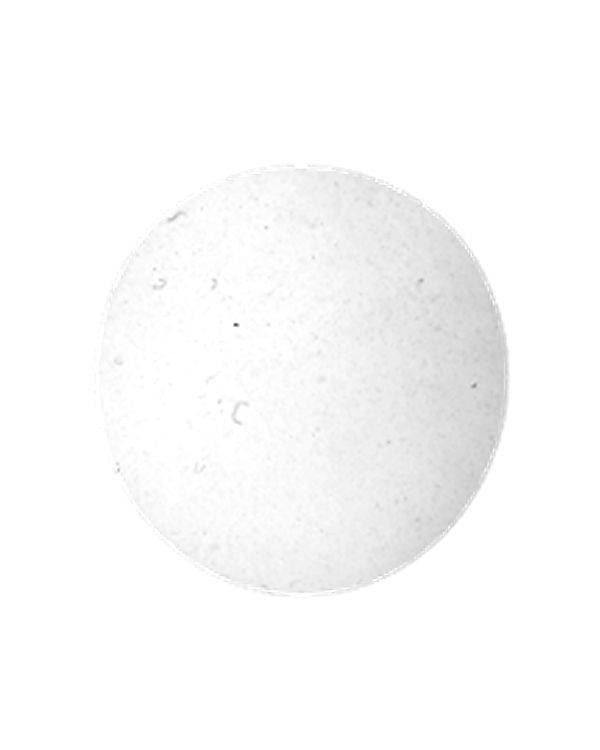
Fig. 5
Very Little Shed
To support more sustainable sportswear and fashion, Under Armour's testing methodology is not proprietary, meaning any brand can use it. Our belief is that only together as an industry that we can truly address the problem of fiber shedding in a meaningful way.
Industry Engagement
UA has contributed to a myriad of industry initiataivesinitiatives and reports. In the beginning, the majority of our engagement focused on the fiber shed method and kit. As described above, we partnered with James Heal to commercialize a fiber shed test kit.
After the commercialization of the kit, we partnered with James Heal and the Hohenstein Institute through the German Institute of Standards. In December 2024, we announced the release of DIN SPEC 19292, a standardized test specification for fiber shedding based on our formerly internal test method developed in our Proving Grounds Testing Lab. The creation of a publicly available 3rd party verifiable standard was a major step for UA’s fiber shed program and for the industry at large.
A natural next step in the program, after the release of DIN SPEC 19292, was identifying and partnering with major testing institutions. We selected Bureau Veritas, as our preferred 3rd party testing partner. To date, two testing labs within Bureau Veritas’ laboratory portfolio are calibrated to testing according to DIN SPEC 19292.
Industry Collaboration

Microfiber Action Alliance (MMA)
An initiative designed to help participating companies take rigorous and science-backed actions to understand and reduce microfiber pollution within their own product lines and supply chains.

Fashion For Good
UA joined Fashion for Good as testing partner. Project investigated the key drivers of Fiber Shedding. Research aimed to explore and challenge foot cause assumption, address data gaps, and compare test methods.